If a team meeting once felt predictable, work volatility adaptation now inspires people to glance at calendars with curiosity. Something’s always shifting. Schedules flex, roles blur, surprises test patience.
The market rewards organizations that can adapt quickly when trends zigzag. Focusing on work volatility adaptation helps teams keep pace with those unexpected changes and still deliver results.
Ready to see how businesses actually recalibrate? Let’s explore principles, real-life routines, and small shifts you can try—no matter your title or company size.
Pivot Strategies: When Change Becomes Routine
Teams that thrive through uncertainty build habits around strategic pivots. Too often, people react only when forced. True adaptation blends planning, reaction speed, and collective buy-in before disruption hits.
Work volatility adaptation isn’t about “waiting for the storm to pass.” Instead, it’s about prepping the umbrella ahead of the forecast. That’s why this section offers rules and a table you can use right now.
Personalizing Team Check-Ins for Flexibility
Weekly agendas set in stone lose relevance fast. Instead, some managers swap rigid lists for rotating check-ins: “Anything surprise you this week? What did we change?” Unexpected updates become part of the rhythm.
This approach encourages staff to share pivots openly. Elisa, a product manager, shifted her daily question from “Did we finish X?” to “What shifted since yesterday?” Her team grew comfortable acknowledging detours—and solved roadblocks earlier.
Try it: What’s the smallest recurring meeting you could make more flexible this week? Start by soliciting input on “what shifted” instead of only progress.
Realigning Resources Without the Drama
During turbulent quarters, it’s easy for teams to double down on outdated priorities. Proactive groups schedule realignment sprints: three hours, a whiteboard, and an honest look at budgets versus business value.
If tasks disconnect from goals, work volatility adaptation means pausing—then redistributing people or funds toward new objectives. “We moved our data analyst to the high-churn project last month and our retention jumped,” one team lead explains.
The rule: If resources lag behind where value is shifting, open it up for discussion, not blame.
| Change Trigger | Usual Response | Adaptive Strategy | Takeaway |
|---|---|---|---|
| Revenue dip | Hold spending | Reassess priorities and move budgets | Check if resources match where value now exists |
| Customer churn rises | Blame support staff | Survey client feedback and switch team roles fast | Act where pain is greatest, not where tradition says |
| Regulatory update | Wait and see | Short workshop to map what changes, delegate new leads | Small planning beats last-minute rush |
| Market opportunity spikes | Add more work | Designate rapid response roles & pre-approve decisions | Remove bottlenecks before they form |
| Product backlog grows | Delay launches | Shorter feedback loops, cut scope early | Shipping small keeps learning continuous |
Building Responsive Structures: More Than Org Charts
Organizational charts describe who reports where. Responsive structures, though, rely on clear communication protocols and routine skill swaps. This shift reshapes job roles in real time—no paperwork required.
Active listening and role fluidity prime a team for market shifts. Let’s see how, with a practical checklist and a list of routines.
Drafting the Adaptation Playbook
One small business built its own playbook—a shared Google Doc—listing “If/Then” scenarios: “If sales spike above X, then John moves to Support every Thursday.”
Visible triggers mean everyone knows their next move before chaos hits. Leaders say, “Let’s agree to check the playbook during reviews,” ensuring habits form, not just policies.
- Identify frequent volatility triggers in your industry and document them.
- Define a go-to staff member or backup for each area of expertise.
- Review and refine playbook rules at quarterly team meetings.
- Allow one “trial” shift every two months to uncover gaps early.
- Encourage teammates to suggest updates based on what actually happened, not theory.
Following these actions keeps adaptation muscle strong, even between urgent cycles.
Rotating Skills in Unexpected Ways
Ben from finance covered a customer call last Wednesday. That wasn’t on his job description. When budgets tighten or demand shifts, work volatility adaptation rewards those who can step out of their lane.
The practice: Encourage everyone to shadow or “assist” another function for an hour each month. This builds cross-team understanding and keeps work moving smoothly even if priorities flip overnight.
- Offer voluntary shadow days in new departments and recap learnings at a team lunch.
- Document new skills gained and share opportunities for future coverage.
- Incentivize trying roles outside comfort zones with simple recognition.
- Ask teammates to suggest gaps where coverage could prevent slowdowns.
- Use one cross-departmental meeting per month to trade recent discoveries.
Small, low-pressure skill rotations make whole organizations more resilient and ready to pivot when the market surprises everyone.
Communication Loops: Keeping Everyone in Sync
Even the best strategy falls apart if updates get lost in inboxes. Fast feedback loops become the core of any successful work volatility adaptation approach.
Consider what happens when teams fall silent during a market wobble. Confusion grows, priorities diverge, and reaction time slow.
Daily Pulse Surveys: Detecting Early Signs
One midsize tech firm uses a one-question, daily online pulse: “Did you encounter a blocker?” No essays needed. This five-second habit flags new issues that might otherwise fester for days.
Fixes move faster, and employees report feeling seen—even when they only write “all good.” HR checked data: project stalls dropped sharply in volatile weeks after the survey was adopted.
Instant Feedback Channels: Cutting Through Delay
Traditional “update meetings” happen once a week or less. Using chat tools, some companies create a dedicated channel for real-time reporting: “Shifted priorities on client X—who can help?”
Immediate visibility prevents bottlenecks. A marketer posts, “Sales call moved up to noon today—can I get new collateral by 11?” Instantly, priorities sync and avoid crossed wires.
Experimenting With Work Rhythms: Try, Learn, Adjust
Organizations that approach volatility as an experiment—not just a threat—unlock creative routines. Teams test quick changes, measure, and adapt again.
This iterative mindset yields lessons that rigid environments might never spot. Even leaders find surprises in what small tweaks can accomplish.
Pilot Sprints: Small Risks, Valuable Data
Instead of a full overhaul, announce a two-week pilot sprint to test a new workflow. Brief feedback sessions each Friday keep improvements rolling. Jane, a team lead, tried shifting her team’s hours—twice. In both cases, she learned who flourished with early starts and who preferred evenings.
Pilots deliver results fast. The key? Frame them as learning, not one-off reactions.
Comparing Before-and-After Scenarios
Another quick experiment: Compare a “before” sprint to an “after” one following a work process tweak, then share hard numbers. One office’s post-change review found customer response times cut by 17% after introducing midday stand-ups.
Even subtle routine changes can deliver bigger impact than months of big-picture planning.
Setting Flexible Goals Without Losing Accountability
Traditional goals offer stability. When volatility hits, goalposts often move. Successful work volatility adaptation finds ways to keep individuals grounded without locking them into stale objectives.
Flexible frameworks allow teams to update priorities while maintaining clarity about what “done” looks like.
Micro-Milestones for Measured Progress
Breaking big goals into small, visible micro-milestones reduces overwhelm. Each milestone includes a check-in date and a “pivot option” if conditions shift.
Example: “Edit all website copy by March 20, pivot if launch paused.” This makes goals adjustable, but always visible and achievable.
Transparent Progress Boards as Motivation
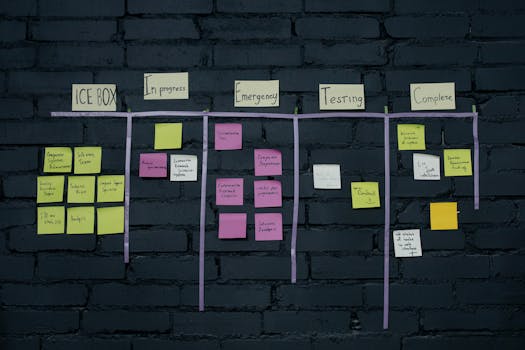
Physical or digital boards display ongoing progress. As updates roll in, boards reflect changes instantly, so no one’s left in the dark.
Teammates quickly see what’s next, what’s stuck, and what’s now irrelevant, gently normalizing regular pivots.
Training for Rapid Skill Evolution
Hiring new talent for every market twist isn’t practical for most teams. Upskilling current employees in the context of real volatility makes the team far more nimble.
Informal training sessions, micro-learning bursts, and skill-share workshops have taken center stage in the new adaptation playbook. The key is focusing on relevant, actionable skills.
Skill Audits: Knowing What to Strengthen
Regularly checklist what skills are essential for current and next-quarter projects. Invite open feedback: “What training would help us cope with sudden changes?”
This ensures training stays adaptable—never outdated or irrelevant—matching evolving business demands.
Peer-Led Workshops for Contextual Learning
Let experienced team members run short, role-specific workshops: “Here’s how I handled a product delay last month.” This context-rich approach beats generic e-learning every time.
Participants leave each session with one actionable tip tailored to their team’s real-world scenarios, making learning stickier and directly linked to daily jobs.
Adapting Mindsets: Making Change Feel Normal
If you want real work volatility adaptation, mindsets need to shift—not just processes. People must see agility as an asset, not merely a survival tactic. Culture cues come from the top but show up between coworkers every day.
Role modeling and storytelling help nudge these attitudes further, so new actions become habits.
- Praise visible adaptation in team meetings, making flexibility public and valued.
- Reference past team pivots during onboarding and training so new hires learn the norm of change.
- Encourage leaders to share mistakes or experiments, normalizing “learning out loud.”
- Host brief story circles: invite quick examples of recent workflow changes, with the focus on what worked.
With each positive cue, adaptation loses its tension and becomes an expected, rewarding part of work life.
Finding Your Adaptation Routine
Throughout these strategies, clear behavior and routine changes have repeatedly surfaced as the real backbone of work volatility adaptation. The more often teams try, review, and tweak, the more normal change feels.
Responsive structures, flexible goals, better communication, and ongoing training sound familiar in theory. But their combined effect is uniquely powerful when regularly practiced, not just listed in a handbook.
Tomorrow, pick one technique from above for yourself or your team. Set a reminder to review and adjust it after two weeks—your first micro-pivot into a more adaptive future.