Ever noticed you spend more on a sleek app or feel extra cautious in a stark bank lobby? Small design tweaks can steer your wallet far more than you expect. The term design finance influence perfectly fits this web of subtle choices and cues shaping our daily money moves.
Wallets open, carts fill, and online accounts grow or shrink, often nudged by invisible hands. Certain colors, button shapes, or the order of information can matter as much as the numbers themselves. Why do you trust one screen more than another, or put off that savings transfer until later?
If subtlety can sway your next financial move, you deserve to recognize those nudges and use them for your own good. Dive in for real-world examples, mini checklists, and a closer look at decisions you make before you even realize it.
Visual Triggers: What Color and Shape Do to Your Wallet
When apps or websites tap into basic psychology, even tiny visuals change what you decide about your cash. Here’s what shifts in presentation can do to your behavior, right now.
Suppose a savings app highlights one account button in green and another in gray. Suddenly, you instinctively click the green, linking positive emotion to the option. This is design finance influence at work in the color palette.
Color Rules: Calm Blue vs. Bold Red
Warm tones like red or orange press urgency, leading people to act faster—sometimes with less caution. Suddenly, speed wins over deliberation when spending feels exciting.
On the other hand, blue and green encourage calm, thoughtful decisions. That’s why investment platforms favor cool palettes to convey stability and build trust before big commitments.
Try this: Next time you’re choosing a credit card online, notice if muted shades make you linger on fine print, while zippy colors push you forward one-click style.
Shape and Layout: Guiding Where Eyes Land
Rounded shapes create friendliness—the gentle corners on a “Deposit” button reduce perceived risk. Compare that with sharp rectangles on “Withdraw Now” prompts, which feel urgent and commanding.
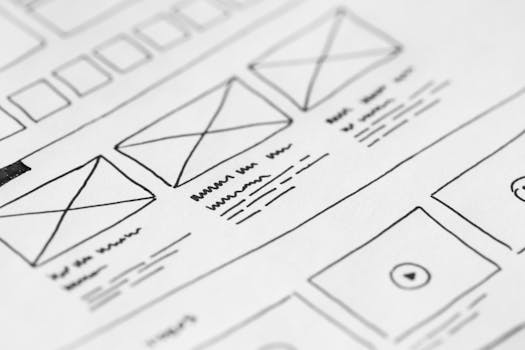
Order and placement matter, too. Eye tracking shows that buttons placed top right or in the path of natural reading lines get more clicks. That means who gets paid—your savings or that impulse buy—is often set by layout, not willpower.
A financial dashboard’s organization quietly instructs, “Look here first.” Small cues, big difference: design finance influence starts with where your eyes go first.
| Visual Element | Emotional Result | Common Use in Finance | Actionable Takeaway |
|---|---|---|---|
| Green Buttons | Safety, growth | Savings/Investments | Pause before clicking—ask if this option actually fits your goal |
| Red Accents | Urgency, caution | Large Transactions, Warnings | Double-check details before reacting to urgent prompts |
| Rounded Corners | Inviting, friendly | Onboarding, Deposits | Notice if welcoming shape makes decisions seem safer than they are |
| Top-Right Placement | Priority, trust | Main Actions | Scan alternate options before acting—what’s hidden below? |
| Minimal Layout | Calm, clarity | Banking Apps, Dashboards | Take a second to find links to critical info before making moves |
Language Cues: How Words Frame Choices
The wording on that pop-up or bank message quietly frames your perception of risk, reward, and urgency. Spending or saving often hinges on phrasing, not just facts.
Phrase a savings deposit as “Boost your future” and people picture long-term gain. In contrast, a withdrawal prompt labeled “Take your funds now” brings the here-and-now front and center.
Word Selection: Tiny Differences, Big Impact
A single word swap changes the emotional context. “Invest” feels proactive compared to “spend.” The difference isn’t just tone—it reroutes which mental account you dip into first.
Label a credit card limit as “available spending power,” and you’re more likely to treat it as potential cash. Switch to “remaining balance,” and cautious instincts kick in.
- Scan every prompt before you act—marketing may frame a risk as a gain, not a loss.
- Rewrite recurring alerts in your own words to neutralize emotional nudges (try it on paper first).
- Resist one-click buttons labeled “Get More” by pausing for a full breath before deciding.
- List financial options by neutral names: “Transfer,” “Withdraw,” “Save”—then compare your gut reactions.
- Practice reading options aloud to catch emotional hooks that slip past silent reading.
Observing language design finance influence is a quiet, repeatable step toward steering your outcomes, not just reacting fast.
Default Options: Why The First Choice Usually Wins
Many apps and banks put their preferred choice first, making you less likely to scroll down. This default sets your anchor—even if the second or third option is better for you.
Shoppers routinely “confirm” pre-selected tips or overdraft opt-ins simply because it’s easier. Designers know inertia is powerful, especially after you’ve made effort to log in and focus.
- Change default selections to blanks when possible. Force a conscious pause to pick deliberately.
- Always review all options. The best fit may be second or third—don’t rely on the top pick.
- Take screenshots before finalizing. Looking back often reveals what nudged your choice.
- Challenge yourself to explain, out loud, why you accept a default. If you can’t, reconsider.
Small, deliberate actions disrupt inertia—and reveal how deeply design finance influence runs beneath the surface.
Micro-Incentives: Tiny Rewards, Lasting Spending Habits
That confetti burst or sound effect after a successful payment isn’t just fun—it encourages repeat behavior. These micro rewards build money habits behind the scenes, often before you realize it.
Picture this: you transfer money and see a checkmark animation. Instantly, spending or saving feels rewarding, even if the action itself didn’t change your finances meaningfully.
Habit Loops: Why Digital Celebrations Stick
Human brains crave closure. Micro celebrations—like animated coins or small achievement badges—turn a one-off action into a tiny habit. Suddenly, you begin to look forward to routine transactions.
But here’s the twist: Not all feedback loops lead to better outcomes. Small rewards can reinforce healthy savings behavior, but sometimes cement habits like daily spending “just to feel accomplished.”
Experiment at Home: Modify a Money Routine
Add a personal twist next transaction. After transferring funds online, jot down one specific feeling in a notebook: surprise, relief, pride. Notice if this changes your hesitation before the next transfer.
If you feel extra motivated after digital praise, build a manual pause into spending—such as a 10-second review—before celebrating clicky confetti or badges.
Mini routines like these clarify which cues nudge you to act, and which merely celebrate action regardless of outcome. Awareness is the first step to lasting change.
Nudges vs. Pressure: The Line Between Helpful and Manipulative
Some design finance influence helps you save; other nudges push for faster, riskier spending. Learning the difference is crucial for keeping choices in your hands—not the designer’s.
For instance, a “Save 5% now!” nudge encourages positive behavior, while a time-limited banner—“Only 3 spots left!”—may feel stressful instead of supportive. That difference matters to your well-being and outcomes.
Mini scenario: Gina logs onto her investment app and is greeted by a calm progress meter toward her savings goal. She feels encouraged. Later, a countdown timer flashes “Act before midnight.” The urgency spikes her anxiety, prompting rushed decisions. Gina now recognizes which cues spark confidence, and which provoke regret.
To test this at home, notice your mood after each decision—are you calmly encouraged, or rushed and nervous? Write down which cues appeared right before your mood changed, and aim to reduce stressful nudges.
Recognizing Pressure Tactics
Pressure starts subtly. Fast-moving banners or pulsing timer graphics are classic signals. Observe your heart rate or sense of breath—are you compelled to act fast, or calmly reflect?
Designers often experiment to find the sweet spot. But your experience matters more: slow down, review the info twice, and step away if needed. Your pace, your choice.
Comparing Platforms: What Subtle Cues Reveal About Trust
Different banks or apps use their own playbook. Comparing design cues shows which ones nudge for your interests and which prefer fast profit. Consistency, transparency, and clarity are strong trust signals.
Want to spot signals of reliability? Notice clear language, nicely separated options, and obvious disclosures. In contrast, watch out for messy layouts, hidden fees, or layered choices that obscure key steps.
Imagine comparing two budgeting tools: one feels relaxing, with simple colors and open summaries; the other pops multiple offers up front, with dense, flashing buttons. Most people instinctively trust the calmer interface, but you can look deeper—scan for well-explained fees or tutorials before you commit.
Checklist: Signs of Trustworthy Design
Here’s a quick list for your next app or site visit.
- Look for consistent colors and layout. Reliable platforms rarely surprise you with sudden visual changes.
- Check for labeled buttons and clear explanations. Transparency signals long-term thinking, not a push for quick sales.
- Find the privacy policy easily. Shady designs often bury crucial info out of immediate reach.
- Notice the logic between steps. Do choices flow clearly, or do you feel forced along a messy path?
- Pause on offers. Steady, nondistracting pop-ups often mean the company values your comfort as much as your dollars.
Try This: Platform Comparison Experiment
Open two apps side by side. Compare which makes fee info clearer, which uses color with restraint, and which asks for feedback after decisions. Note which feels calmer.
If you find yourself hurrying on one and pausing on another, document which design finance influence cues made the difference. Use those insights for future choices.
Applying What You Know: Take Control of Subtle Nudges
Spotting a nudge isn’t always enough; you have to tweak your environment or routine to regain agency. Use the following list next time you face a complex money choice to build conscious control into the process.
- Pause and scan the full screen before clicking anything. Let your eyes check corners, menu bars, and fine print.
- Read all button labels twice, not just the largest or brightest. Designers count on speed; respond with a slow, deliberate review.
- Challenge every default. Instead of accepting the pre-set savings or payment plan, research your alternatives—just three extra minutes can prevent regret.
- Consider switching devices. If mobile screens encourage faster actions, try reviewing major decisions on desktop, where more information is visible at once.
- Journal a quick note about your feelings after each financial decision this week. Patterns will pop up, showing which nudges work for your goals and which don’t.
Over time, these habits build a buffer between you and subtle design finance influence tactics—giving you more consistent control over where your money flows.
Everyday Influence: Seeing the Invisible in Your Financial Routine
The next time you open a finance app, scan a bank statement, or reach for your wallet, recognize just how many choices were quietly guided before you noticed. It’s rarely about one big moment—design finance influence is in every small nudge and pause.
Sharpening awareness is like adjusting a camera focus. The clear picture lets you spot which buttons, colors, and words moved your hand or mouse. Suddenly, money decisions seem less mysterious—more about habits and attention than willpower.
Put those insights to work with one small experiment: pick a low-risk decision this week—a new savings deposit or minor purchase. Notice each visual or verbal prompt that appears, and pause before following its direction. See what new sense of control emerges if you delay by twenty seconds, or rephrase the prompt in your own language.